Animal Welfare
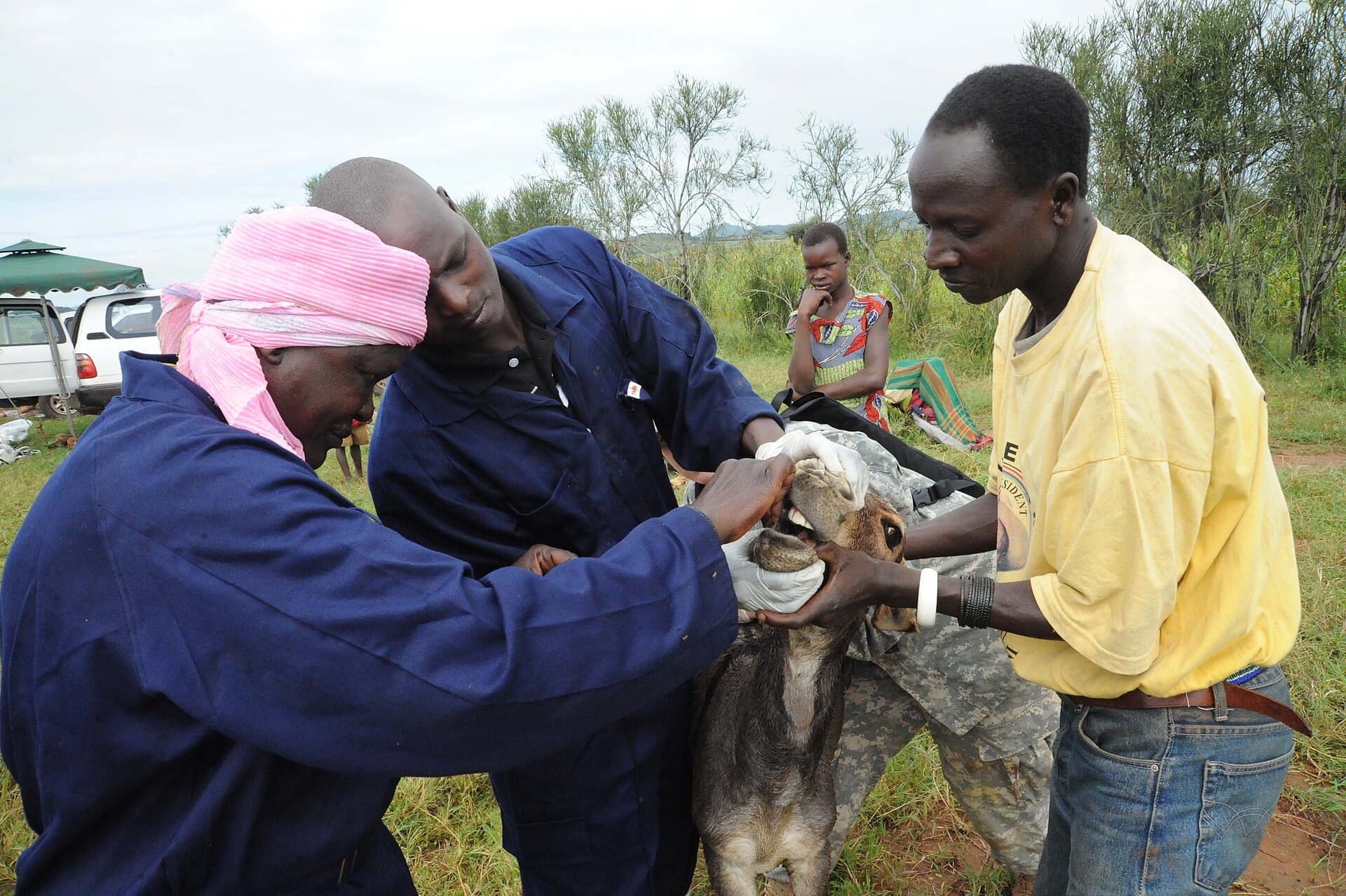
Animal health, husbandry education, veterinary outreach and community engagement.
Learn moreabout Animal Health & WelfareOur work
In a community on the edge of Hwange National Park, livelihoods, animal welfare, youth opportunity and coexistence are the same conversation. Our programmes are designed to reinforce one another.
Animal health, husbandry education, veterinary outreach and community engagement.
Learn moreabout Animal Health & Welfare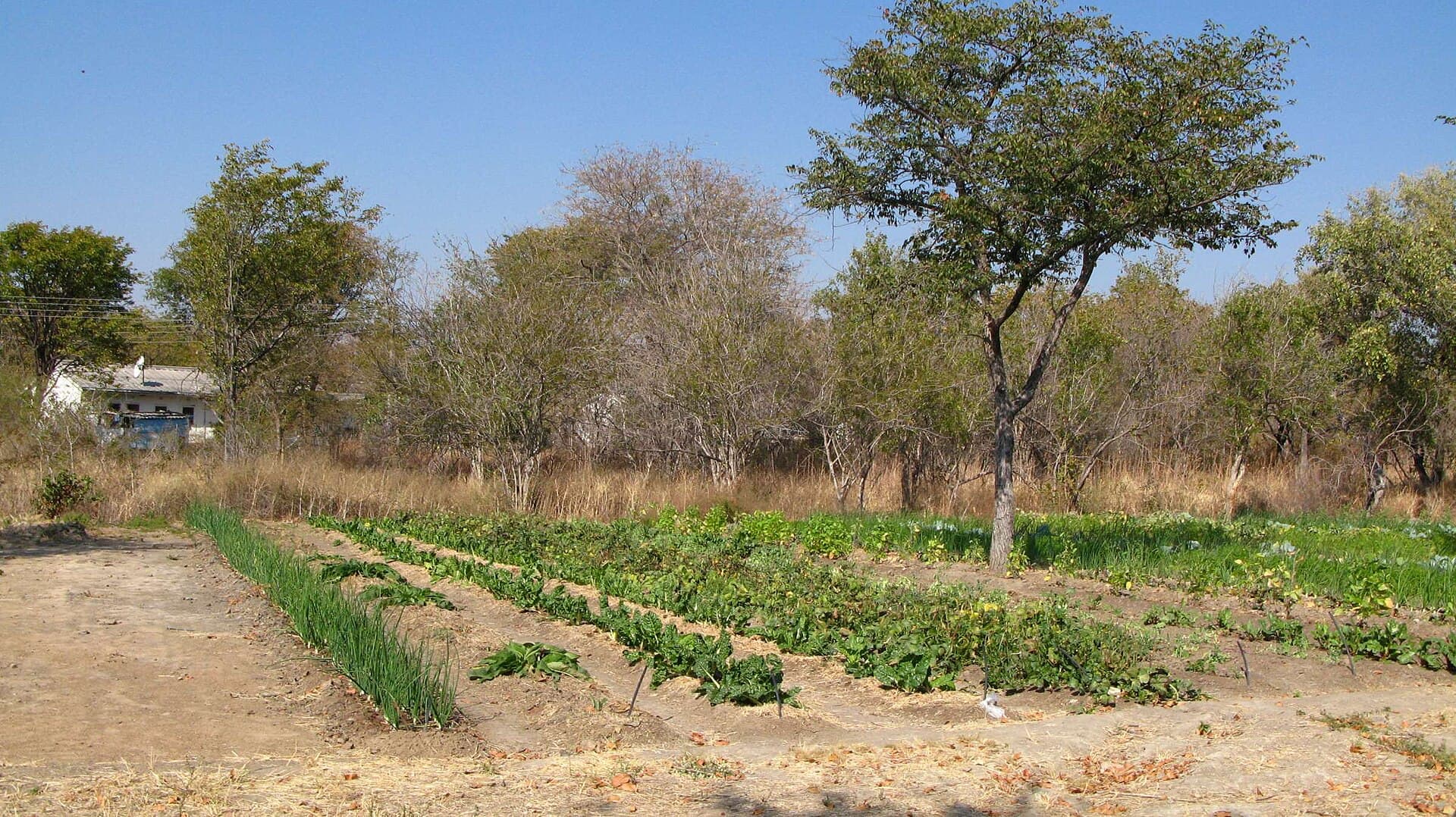
Sustainable livelihoods, entrepreneurship and community-led development.
Learn moreabout Sustainable Community Development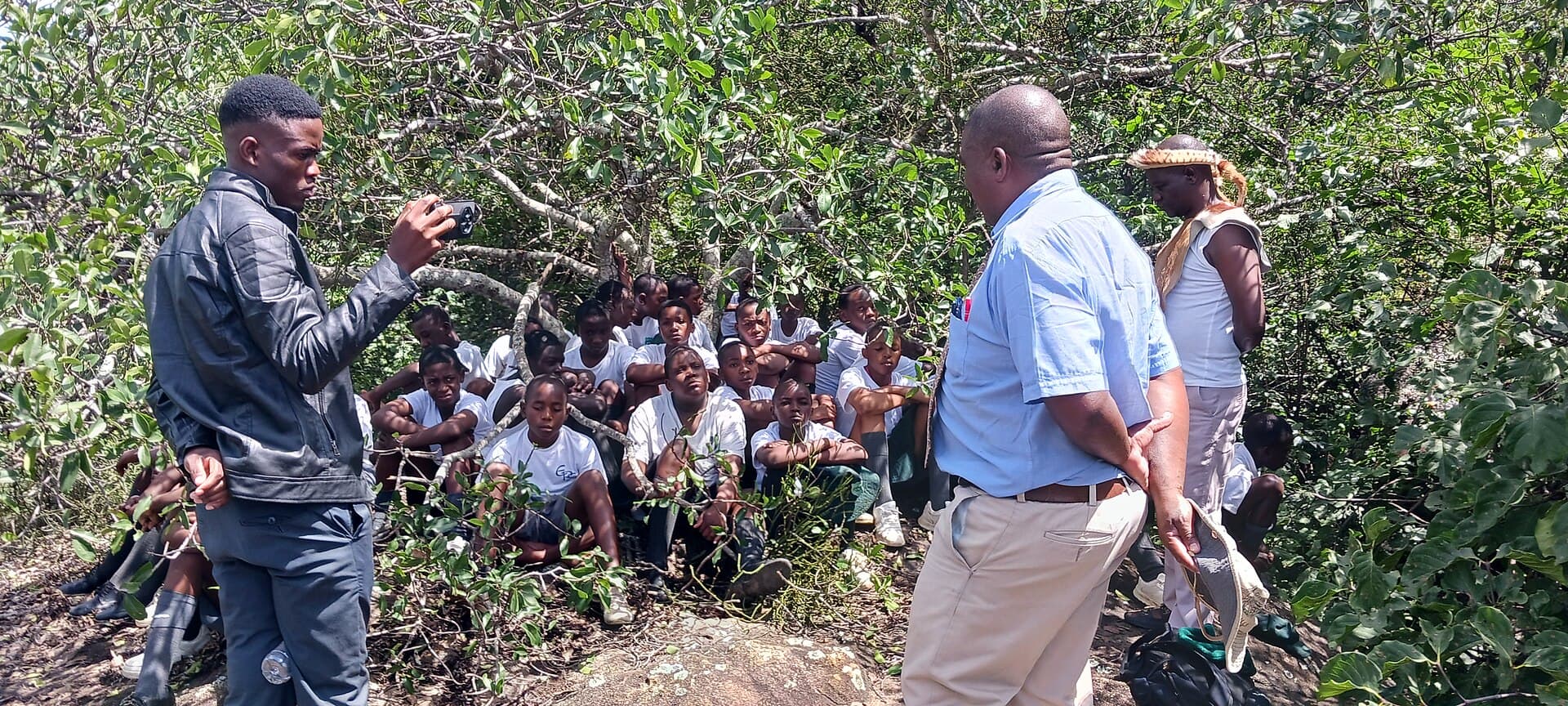
Boys & Girls Clubs, mentorship, life skills and educational support.
Learn moreabout Youth & Children's Development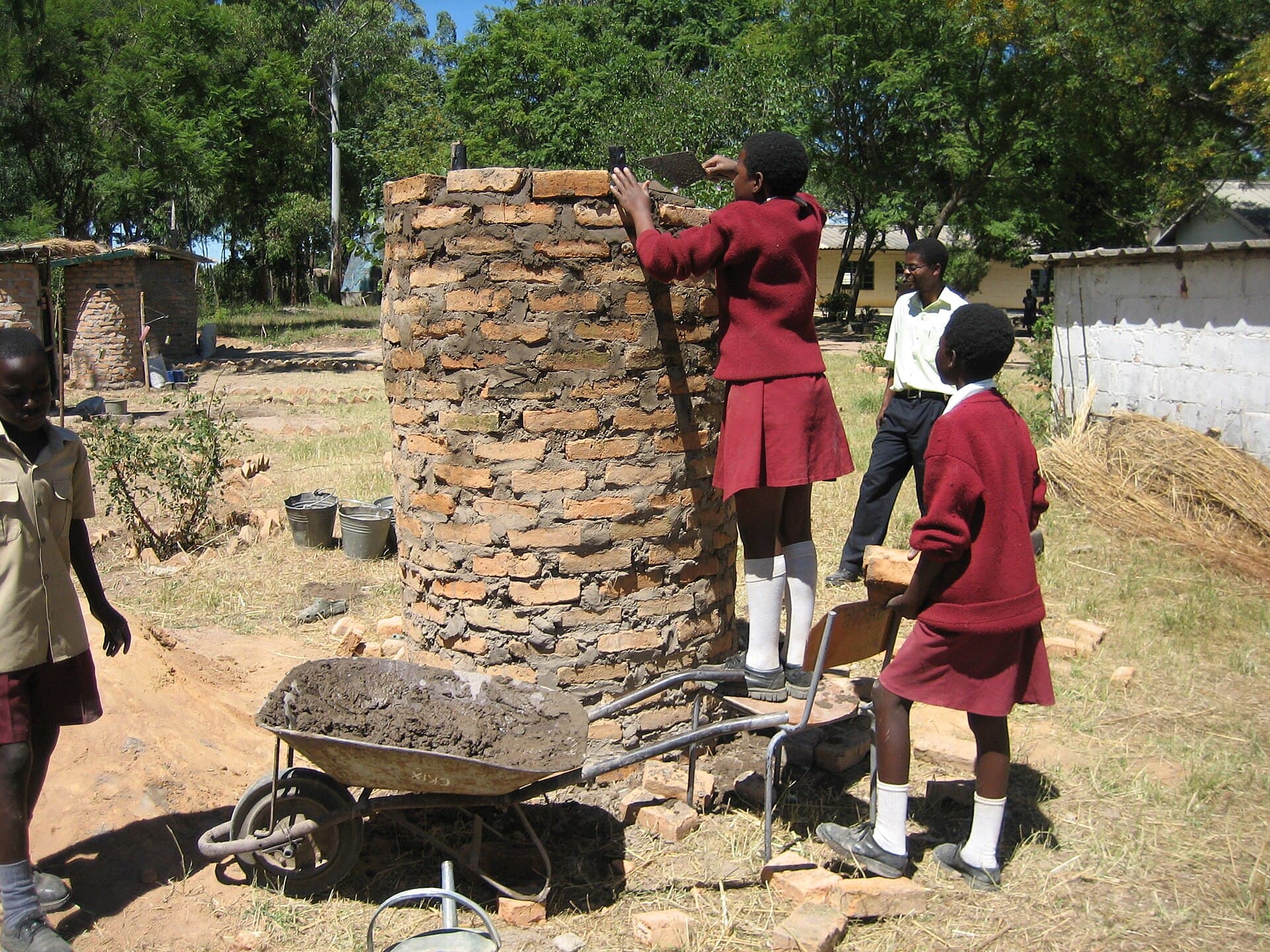
Skills development, mentorship and opportunities for young people.
Learn moreabout Youth Skills & Training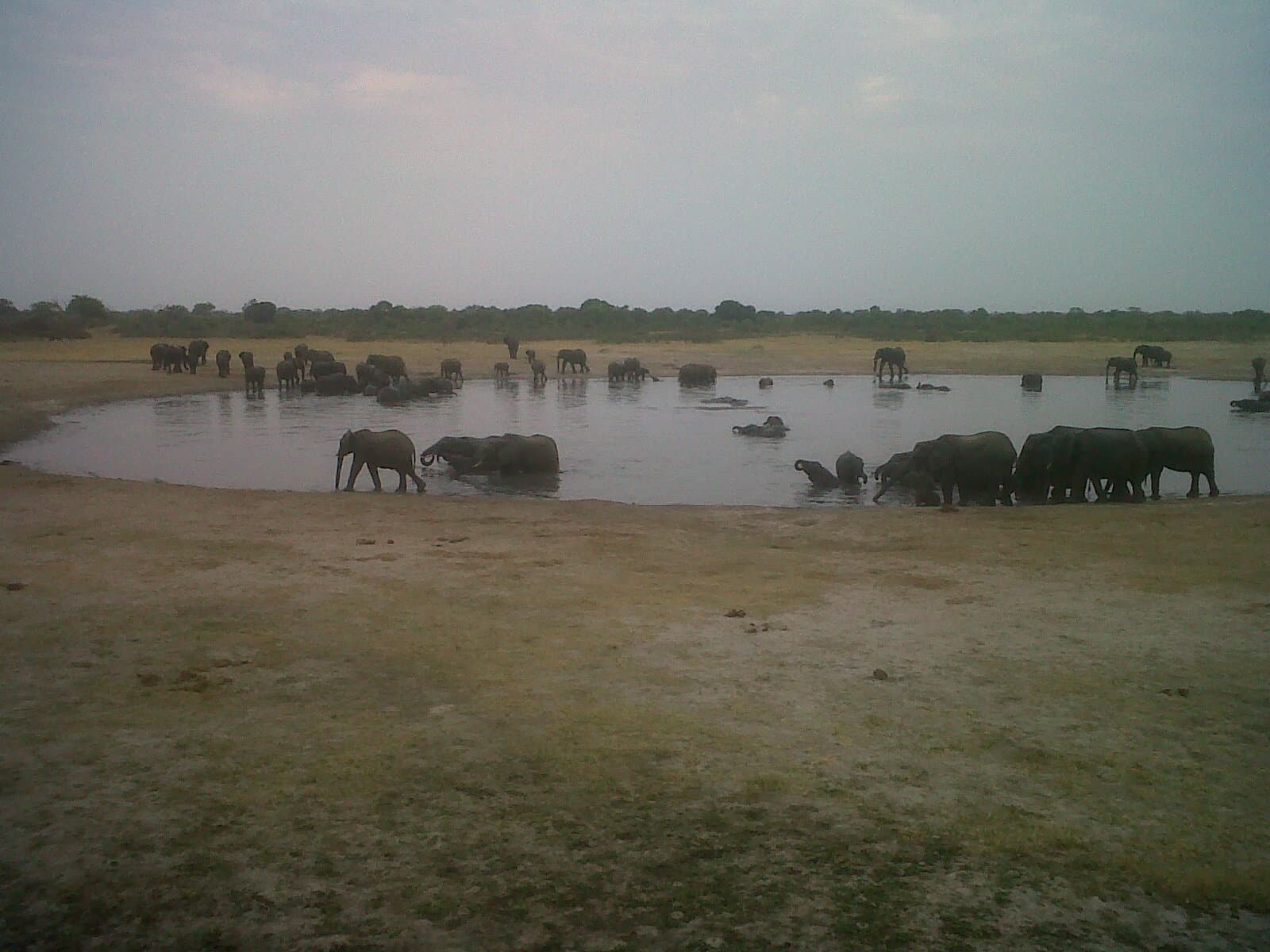
Helping communities living alongside wildlife develop safer, sustainable solutions.
Learn moreabout Human-Wildlife Coexistence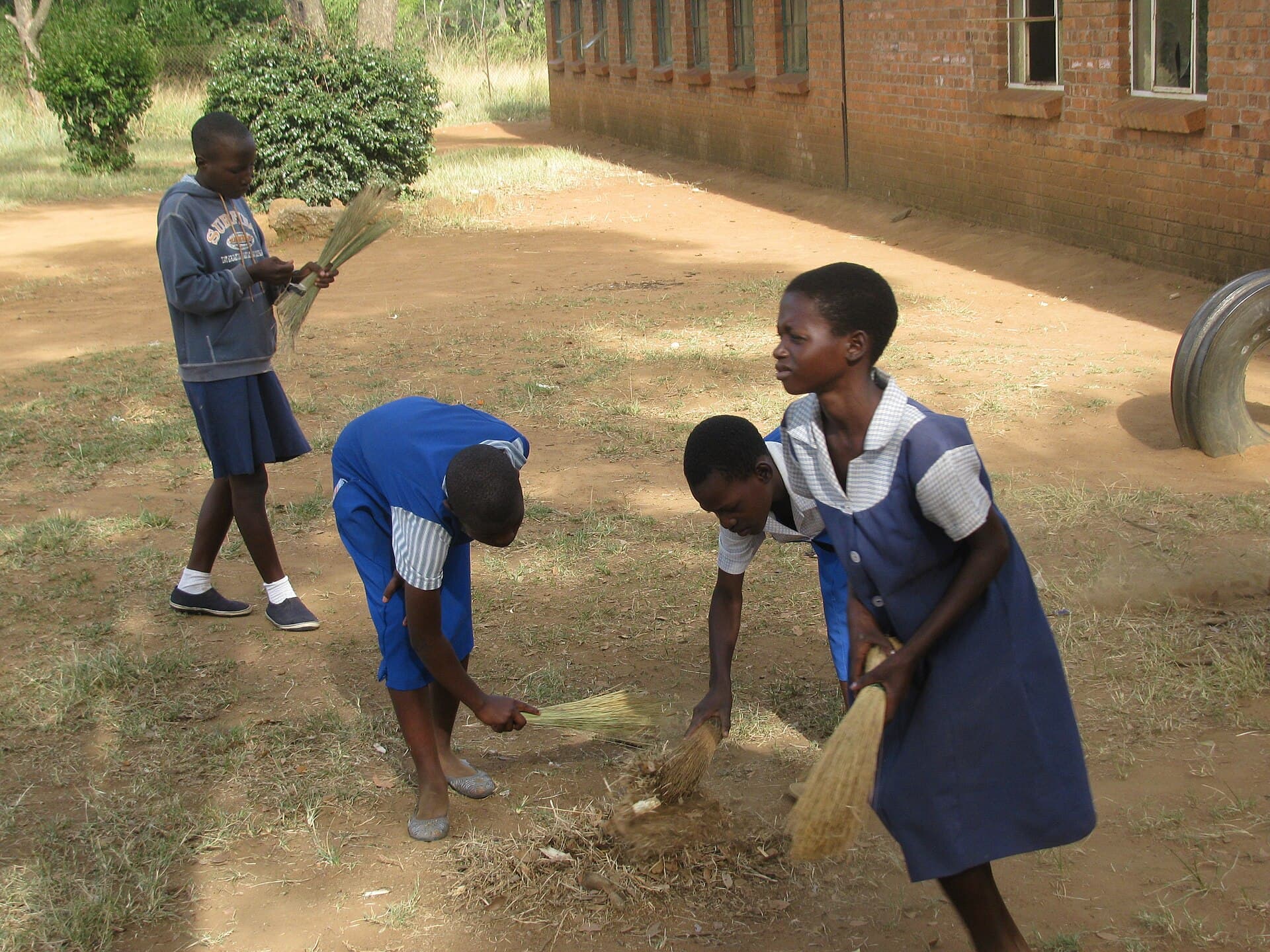
Building stronger communities and encouraging environmental responsibility.
Learn moreabout Environmental & Social ResponsibilityHow programmes connect
A household that loses livestock to a predator has less to invest in a child's schooling. A young person with a trade is less dependent on natural resource extraction. The links are direct.
Healthy livestock is household savings. Welfare work is economic work.
Protecting livestock from predators reduces both household loss and retaliatory killing.
Clubs build confidence and life skills; training converts that into income.
Graduates start the enterprises that community groups then support and supply.
Water, soil and woodland determine what any of these programmes can achieve.
Community structures plan, deliver and review each programme with us.
Dete • Hwange • Matabeleland North • Zimbabwe
Tikobane Trust is based in Dete, in Hwange district, Matabeleland North — immediately adjacent to Hwange National Park. That location shapes everything we do: our communities live with wildlife every day, not at a distance.
You can direct your gift to a specific area of work, or sponsor a project end to end.